01
The table opens the menu.
A QR card or an NFC tag opens the restaurant's own page for that exact table. No app, no account, no new hardware.
Table 12
Scan to order
/order/table-12
The guest scans once. The menu opens, the order reaches the pass and the bill stays shared. No app, no account, no waving across the room.
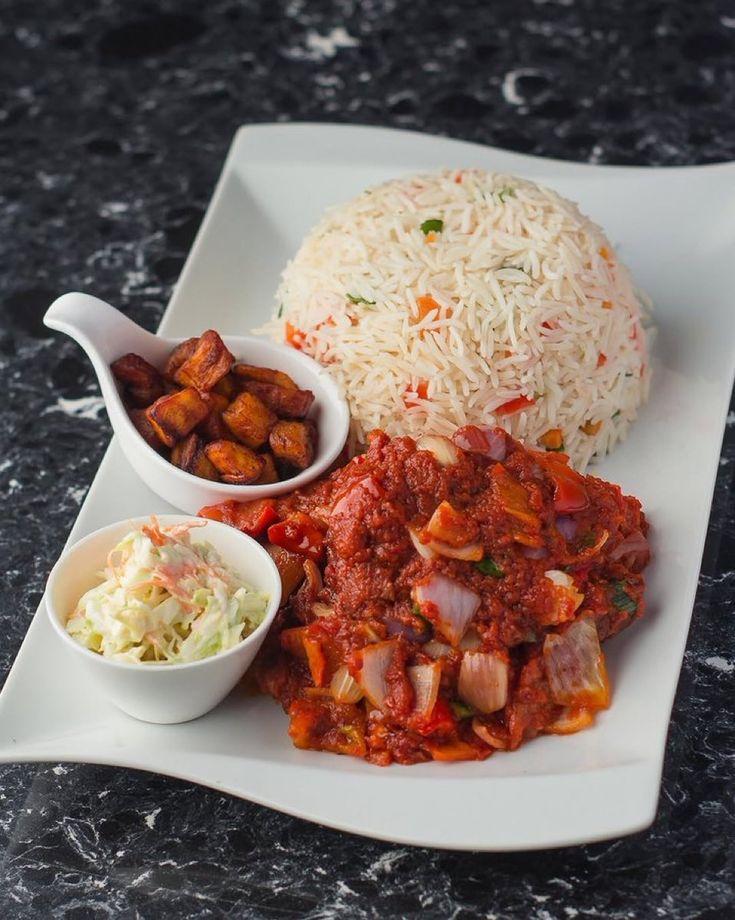
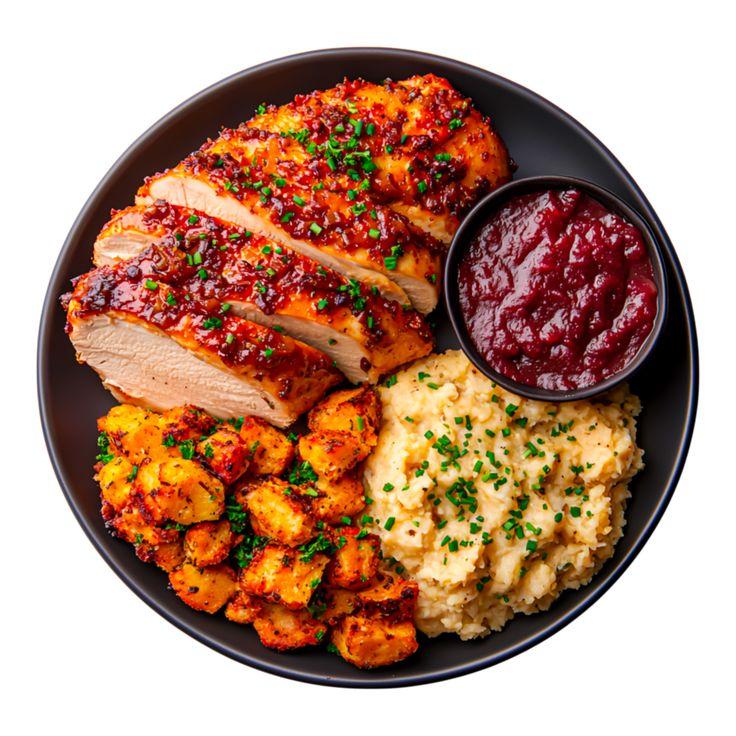 Table 12 / Tonight
Live from the table
Jollof & peppered plantain
Table 12 / House signature
4.8
guest rating
18
tables / one view
12m
scan to first order
0
apps to install
The menu, the pass, the bill and the read after service. Move through it and watch the two surfaces change.
Guest menu / Table 12
Table 12 / Main
Added to the shared bill
The whole loop
The phone is already on the table. The QR card is the only thing you print.
A QR card or an NFC tag opens the restaurant's own page for that exact table. No app, no account, no new hardware.
Table 12
Scan to order
/order/table-12
Guests build the order, customise it and send it. The ticket lands on the kitchen board in the same second, with the note attached.
Table 12
2 x Jollof & plantain
1 x Street tacos
2 x Zobo fizz
Everyone adds to the same table. Split it across phones, pay with transfer, card or cash, and keep the receipt.
2 x Jollof & plantain₦21,000
1 x Street tacos₦8,500
2 x Zobo fizz₦5,600
One system / four surfaces
Turn a dish off the moment it runs out. Every table sees the same menu, the same price and the same honest availability.
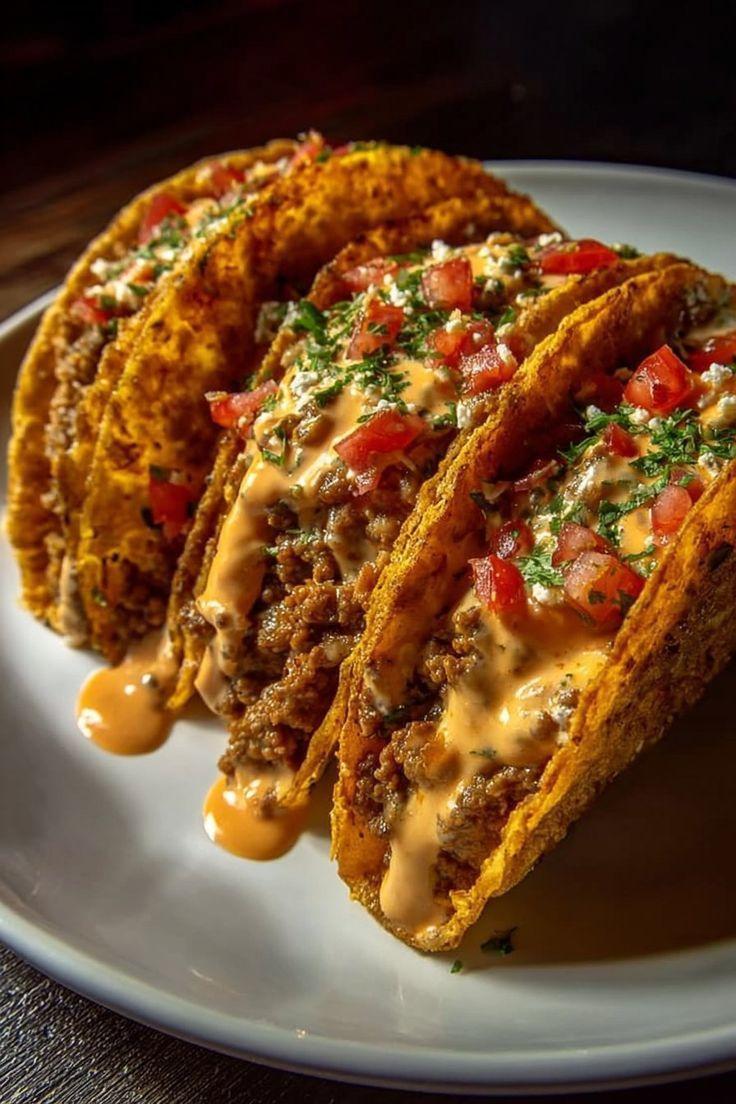
Most ordered
Street Tacos
Three corn tortillas / chipotle crema
Who is seated, who is waiting and what needs a person, before the next walk around the room.
Tickets grouped by station and timed from the first tap. New, on the fire, ready for pickup.
2x Jollof / 1x Street tacos
Demand, prep times, best sellers and slow dishes, read from the same records the floor uses.
Guest questions answered from tonight's menu, the sold-out list and the table bill. Never invented.
Shared table bill
4 phones / one receipt
Guest experience
No app store, no password, no account. The menu, the order, the waiter and the bill all live behind the same small code.
No app, no account
The menu opens in the browser. A name at checkout is optional.
The bill belongs to the table
Every phone adds to the same order, not four separate tabs.
Split it, or pay it whole
Transfer, card, USSD or cash. A receipt is kept.
A person, in one tap
The waiter request lands on the floor dashboard, not in a void.
The AI layer / grounded in the restaurant
It knows the dish, the price, the prep time and the note the kitchen already wrote. It does not invent a special, a stock count or an allergen.
A menu assistant, not a search box
Reads tonight's menu, the price, the heat and the allergens.
Demand before the rush
Sales history and time of day become a prep number the manager can act on.
The slow dish, named early
Low-stock ingredients and long station times are flagged while there is still time.
Suggestions need a manager's approval. Guest-facing allergen information always comes from the menu record, never from a model.
Something spicy under ₦10,000, for two.
The street tacos and the beef shawarma both stay under ₦10,000 and carry real heat. Order one of each and the table is covered for ₦16,000 before service.
Payments / Nigeria first
The bill is not one method. The table can split between a card, a transfer and cash, and the pass still sees one settled receipt.
Wallets, honestly
Apple Pay and Google Pay are shown only when the provider, device and country support them. In Nigeria, Paystack covers cards, transfer and USSD first. The QR menu never depends on a wallet.
Service and VAT shown as separate lines before paying.
Paystack
Card, bank transfer or USSD in one checkout.
Bank transfer
A dedicated account for the table, confirmed at the pass.
USSD
Dial a short code from any phone, no data needed.
Cash
The waiter marks it settled and the receipt is saved.
Demo only. No payment is collected and no wallet is promised.
From the rooms / demo stories
Illustrative stories from the demo, not paid testimonials.
“The QR menu paid for itself in the first weekend. Guests order a second drink without flagging anyone down, and the pass finally sees every ticket in one place.”
“We run three rooms and two kitchens. The table board tells me where the night is stuck before a guest has to tell me.”
“The best part is what it does not do. No app, no account for the guest, no new hardware. They scan, order, and the kitchen gets it.”
Start small
Put the code on every table, run a weekend and watch the pass. If the room is calmer, keep it. If not, take the cards off the tables.
₦37,500/ month
Billed ₦450,000 yearly / save ₦90,000
Questions
The short answers. The longer ones are a conversation with the team.
hello@sideplate.onlineNo. Scanning the code opens the restaurant's own web page. There is no app, no account and no password. A name at checkout is optional.
In Nigeria the demo presents Paystack card, bank transfer, USSD and cash. Apple Pay and Google Pay are only surfaced where the provider, device and country support them. This build collects no money.
The platform is built to sit beside the kitchen and the floor, not to rip out a working POS. The menu, table state and service requests can stay here while payments settle through your existing provider.
In this frontend demo, state lives in the browser, so nothing leaves the device. A real deployment needs a local queue and a clear offline state before it can promise service without a connection.
No. The assistant reads the menu, availability and the table bill. It can suggest a dish or a prep number, but a manager approves changes and it never invents an ingredient, an allergen or a price.
Built for the room, not the app store.
Ember & Rice / 14 Admiralty Way, Lekki Phase 1, Lagos